20
Mar
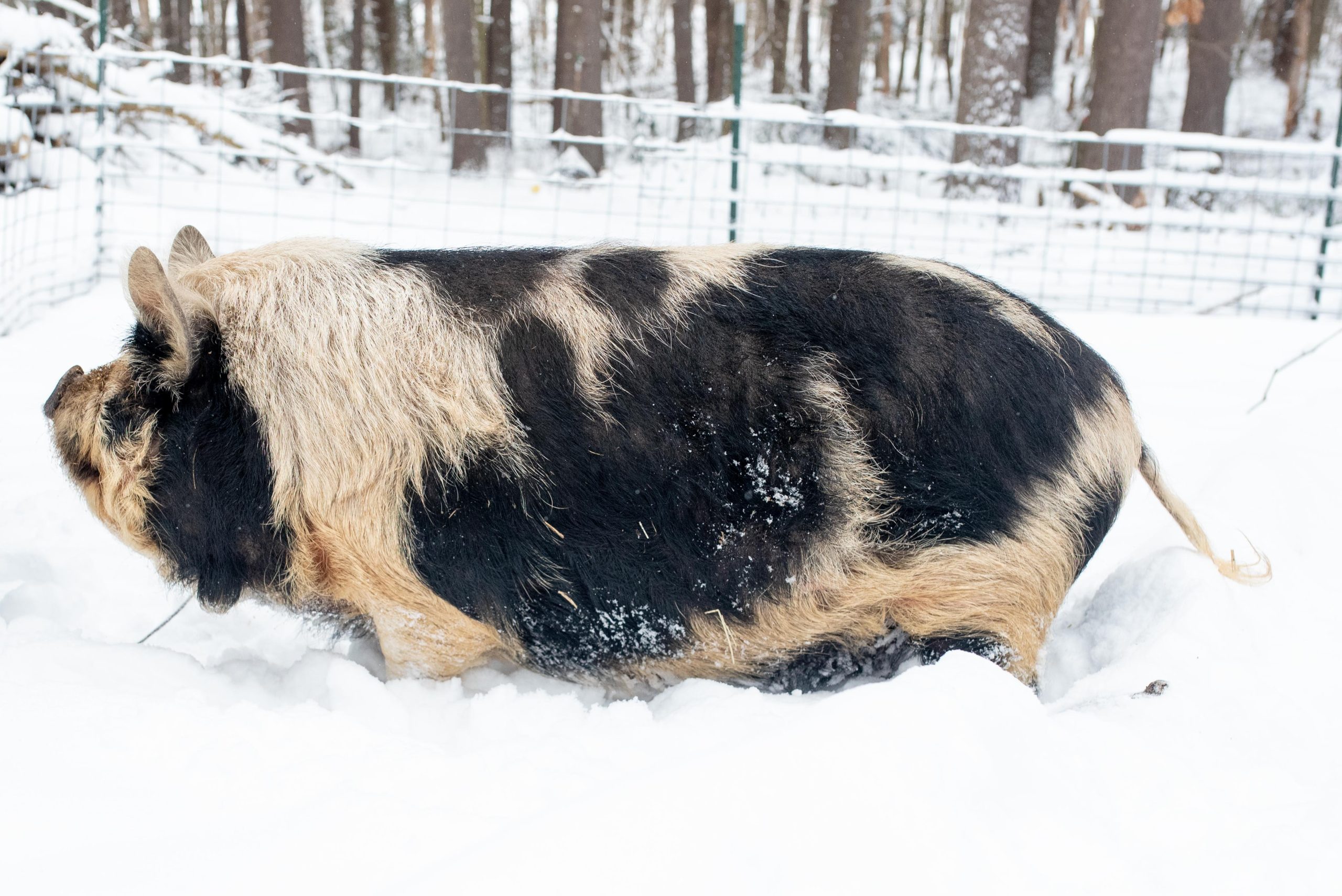
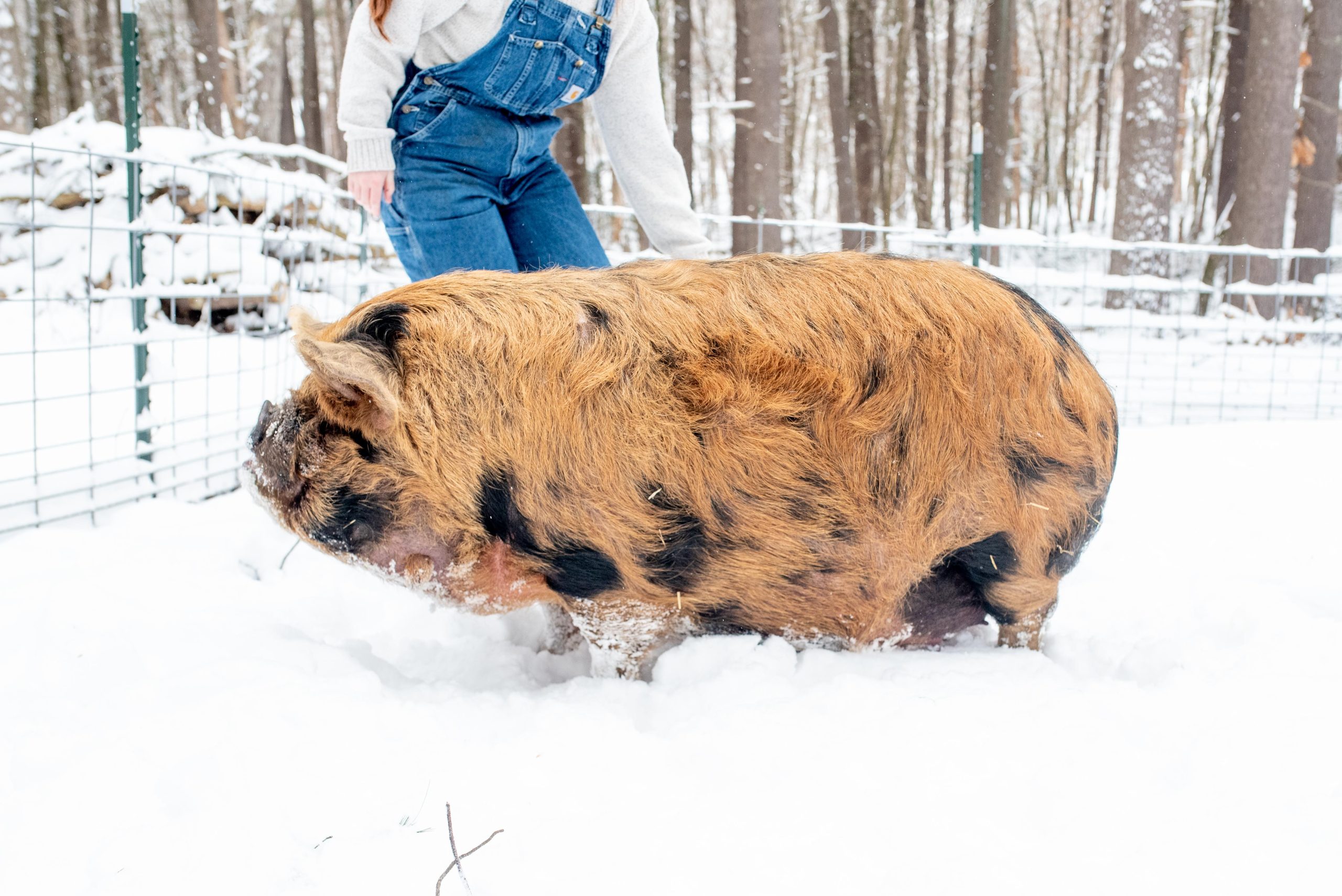
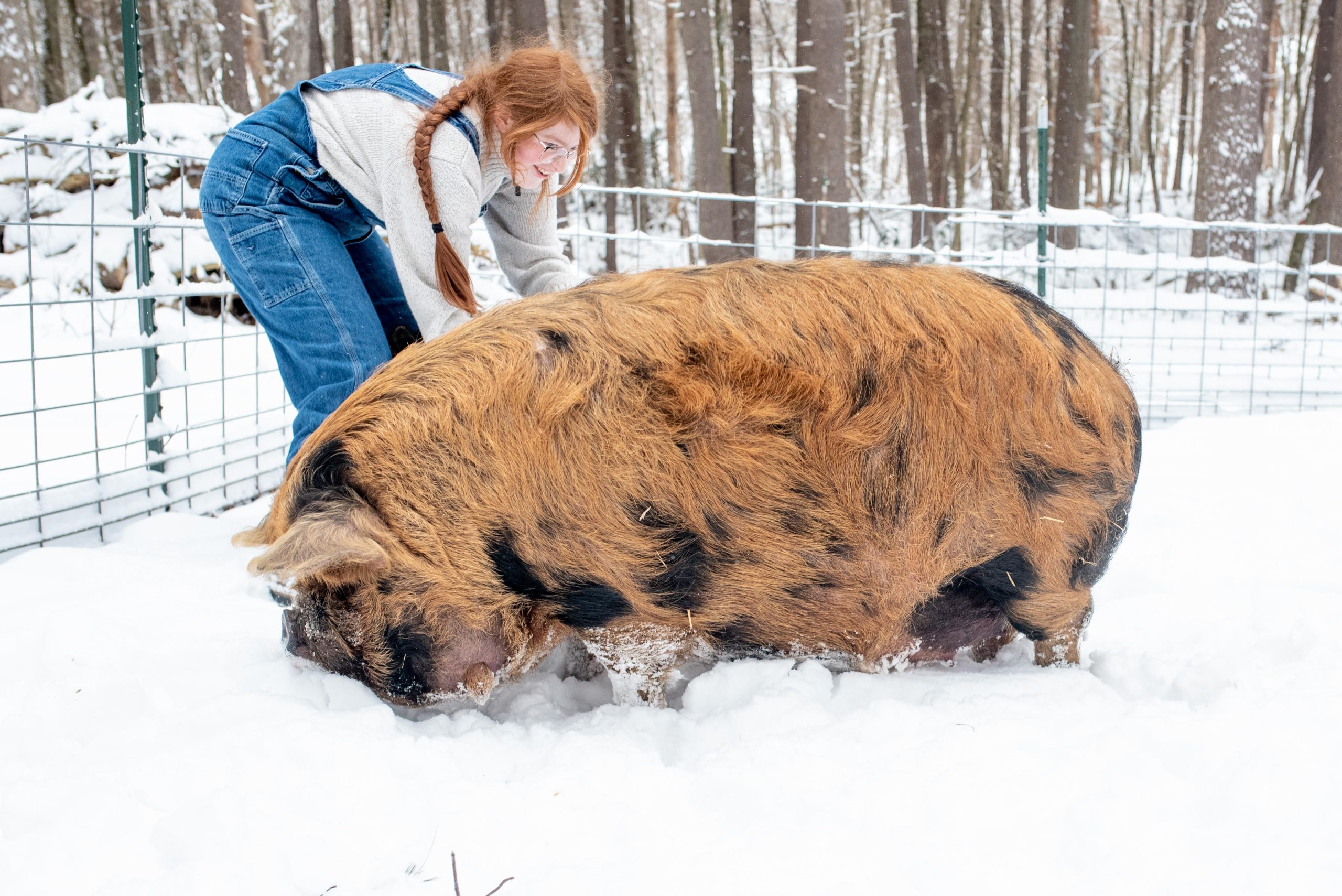
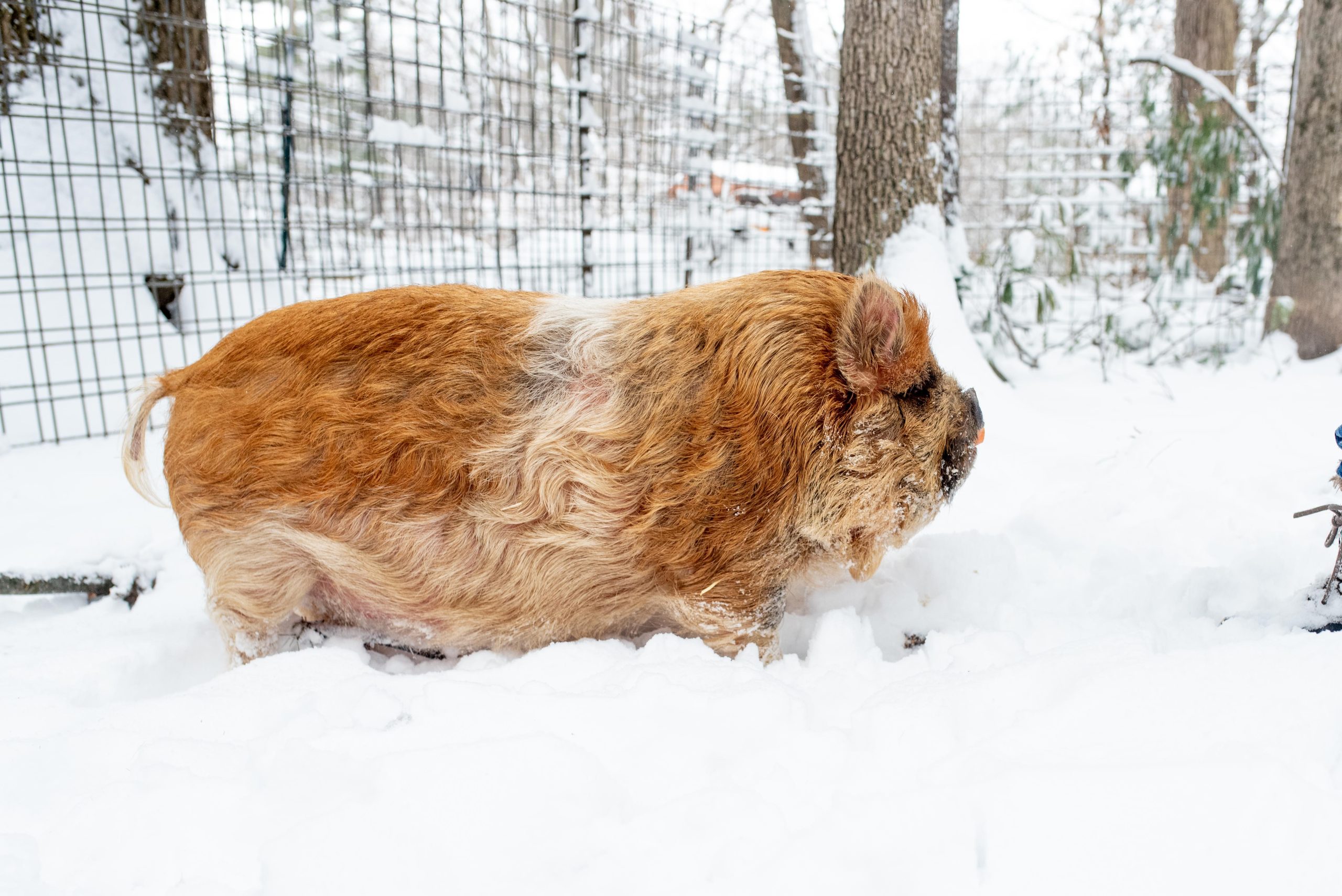
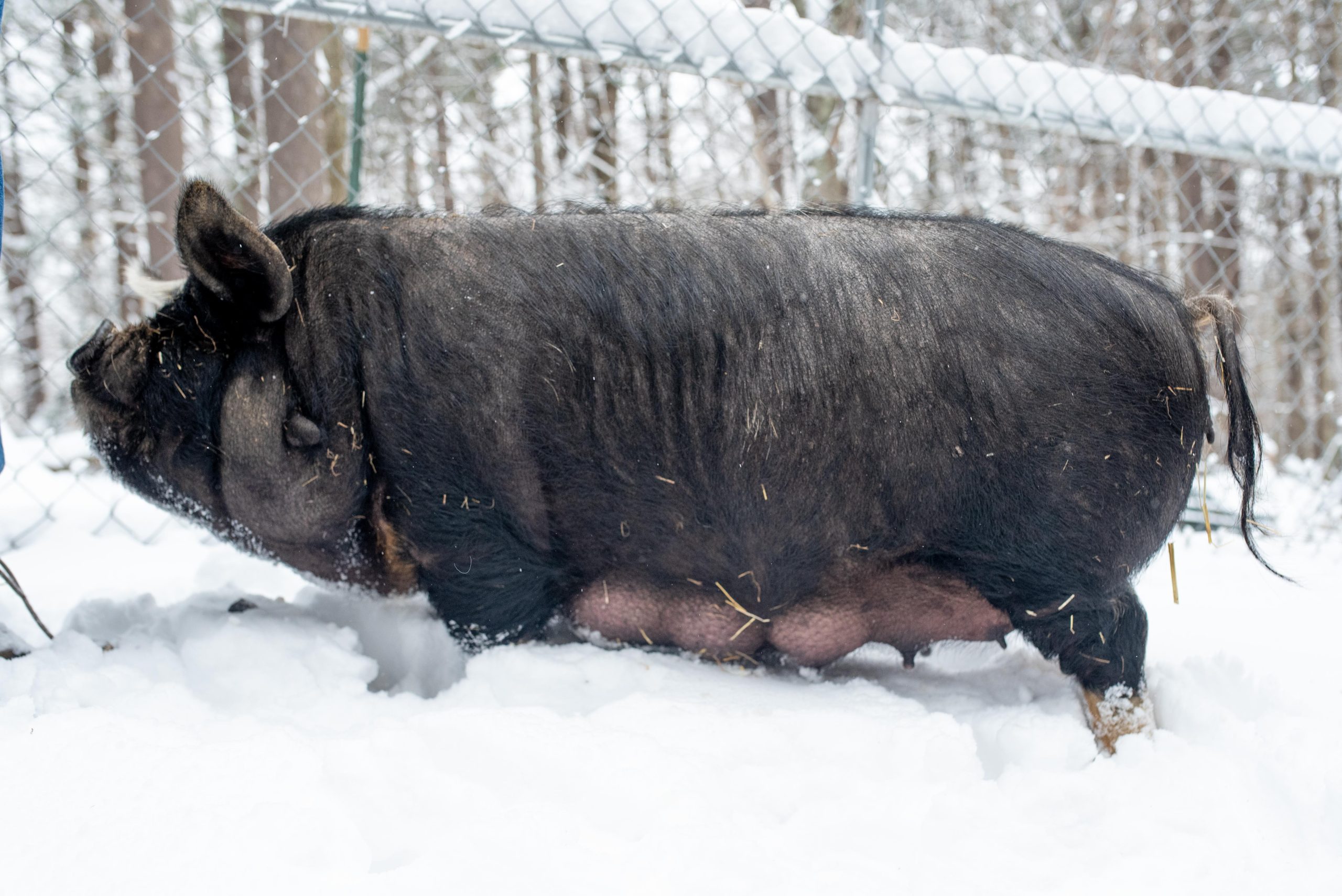
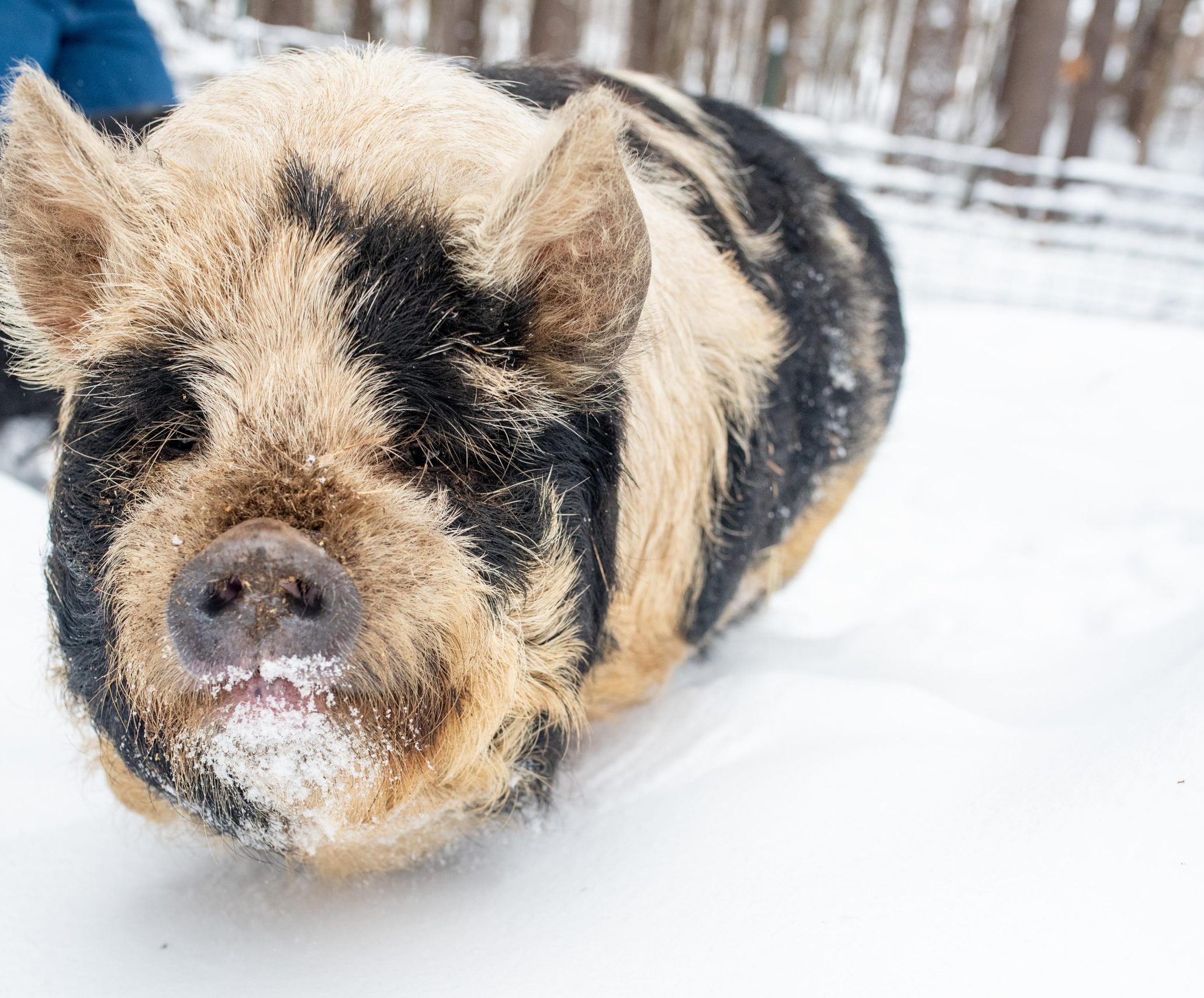
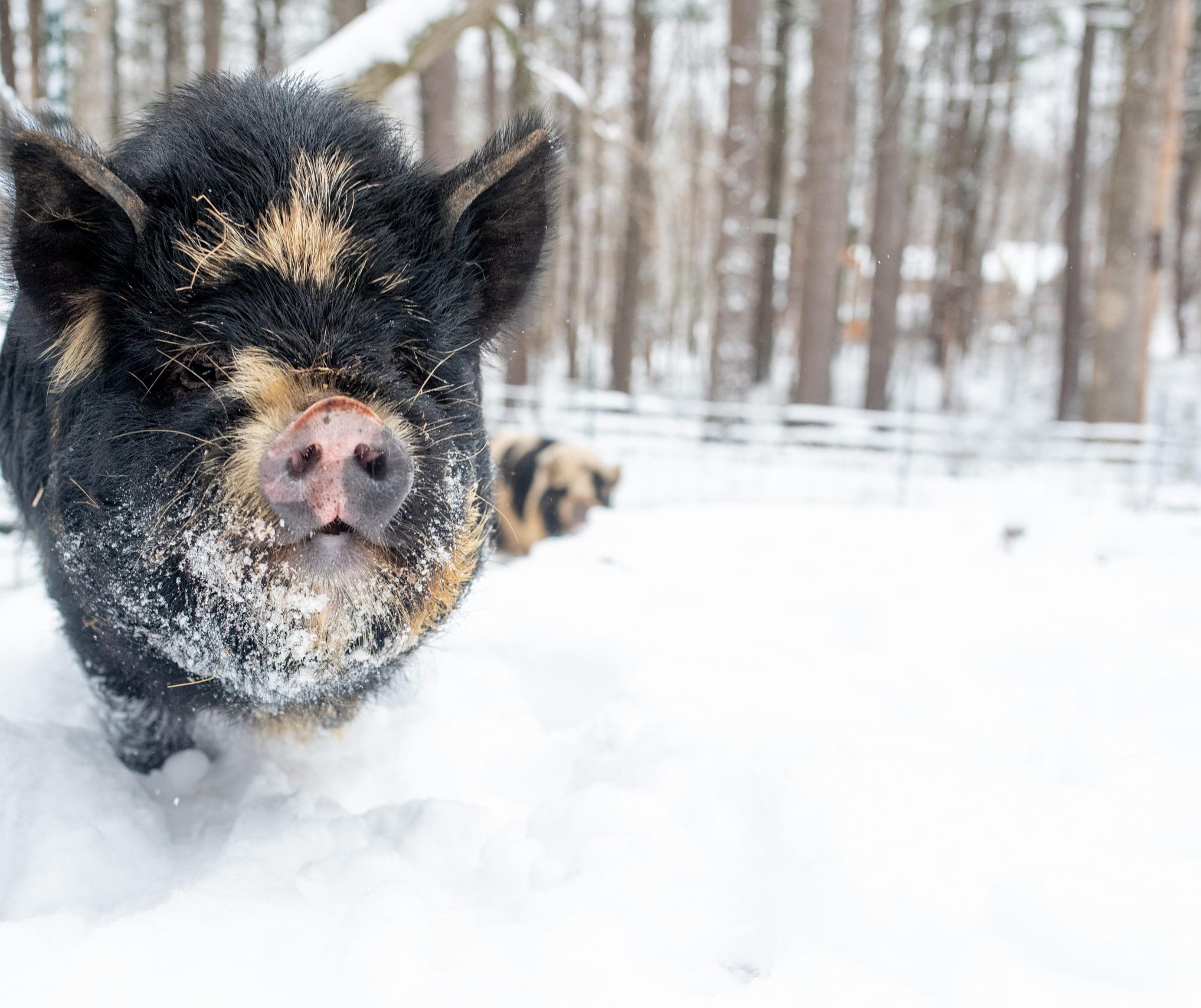
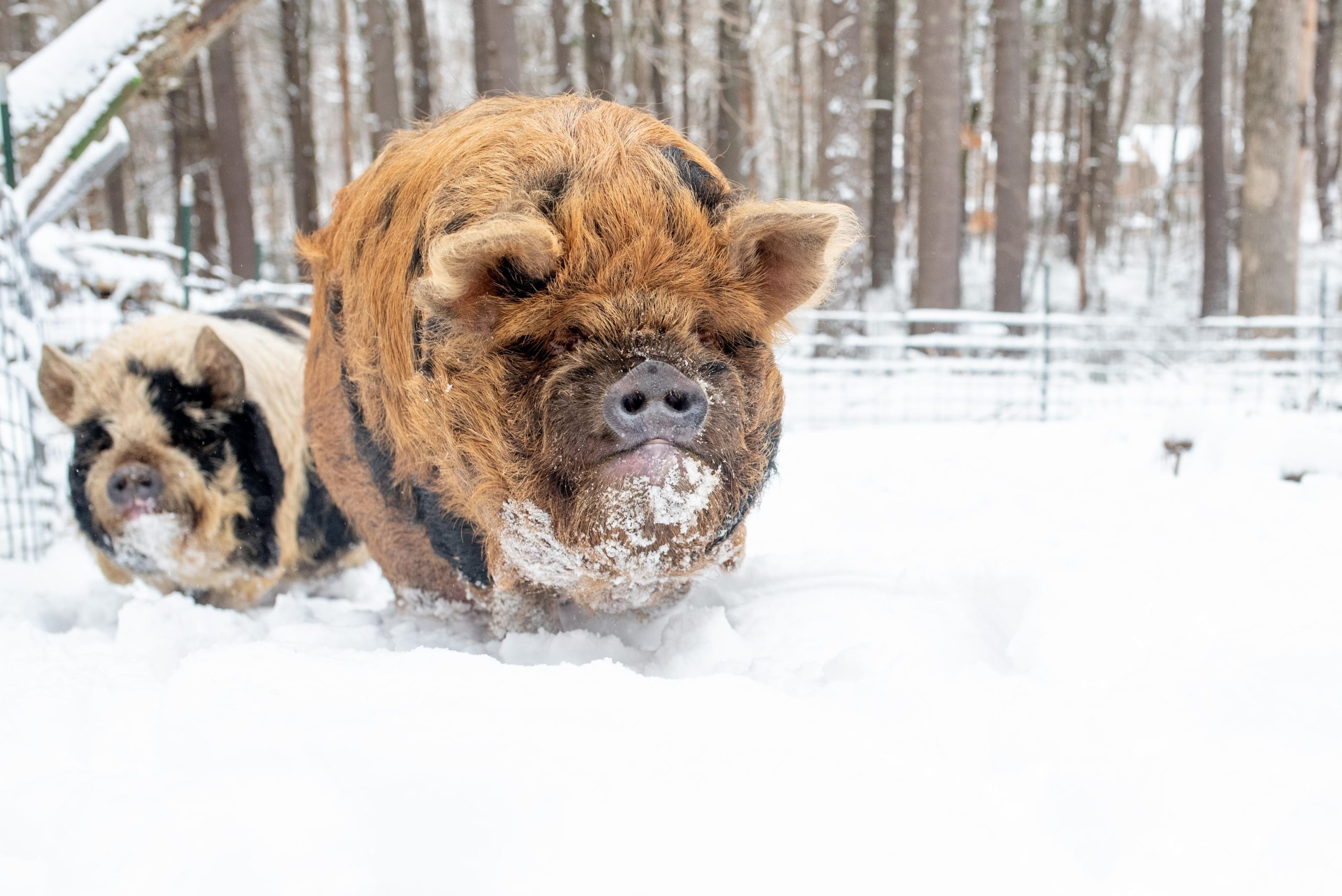
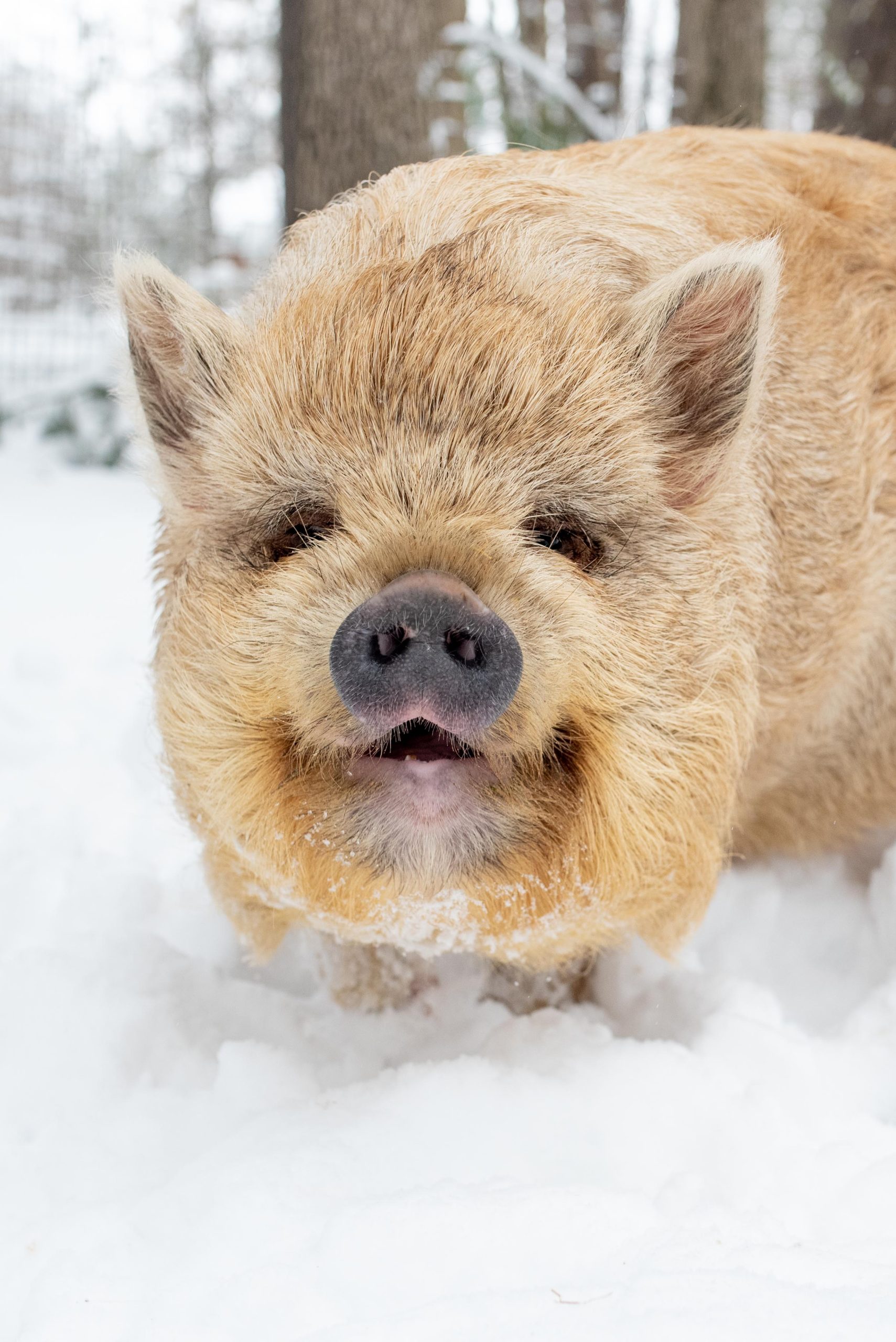
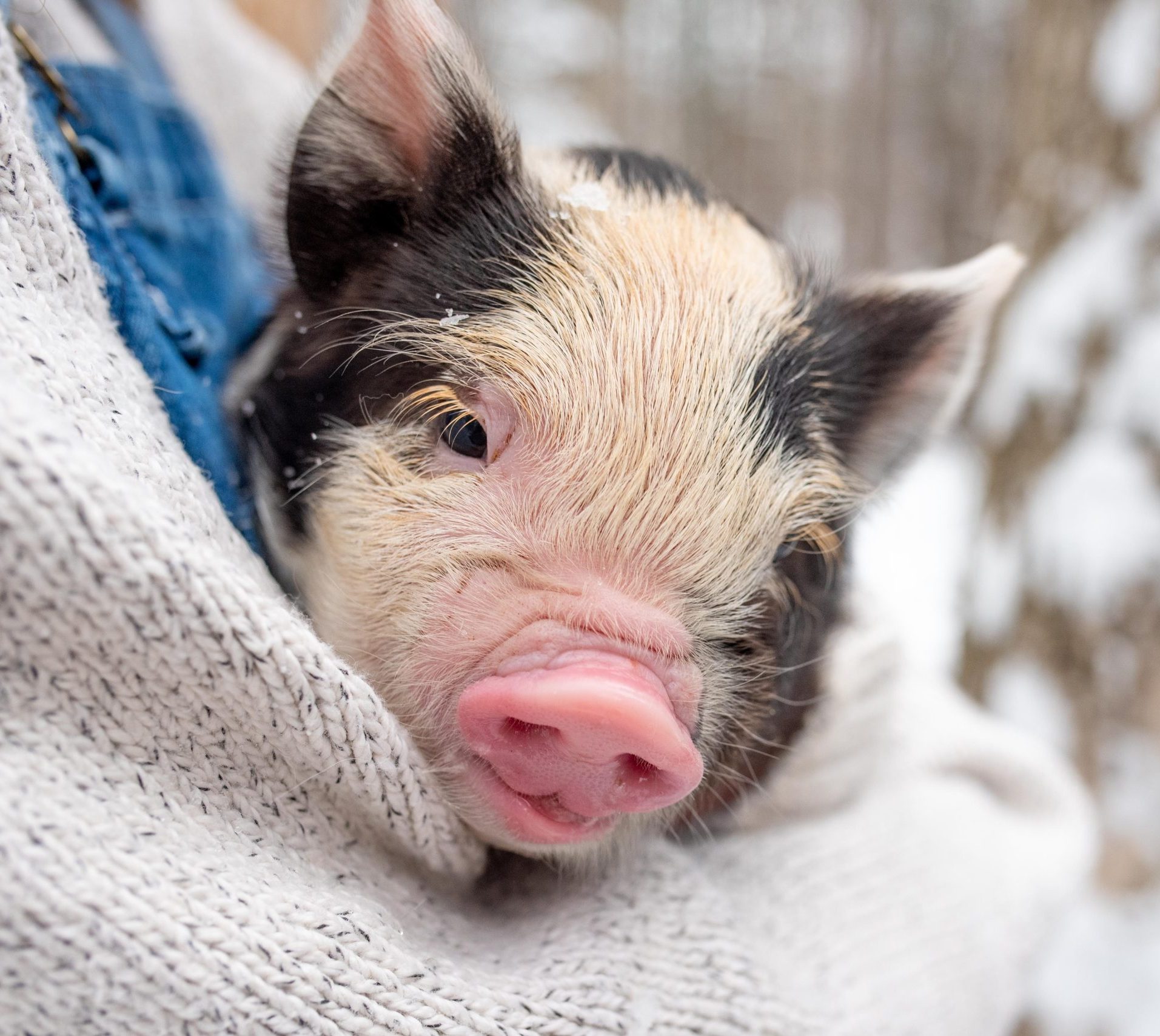
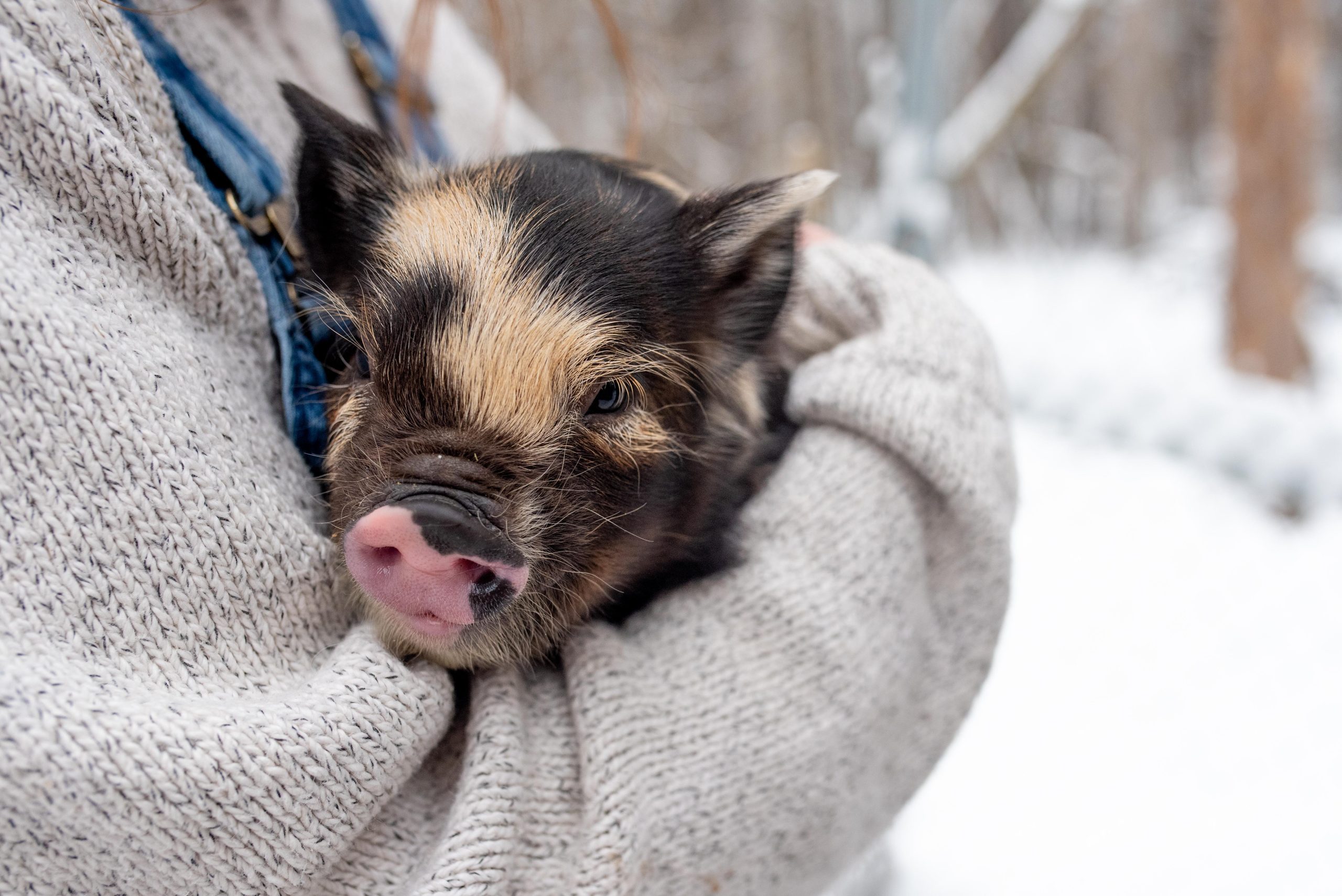
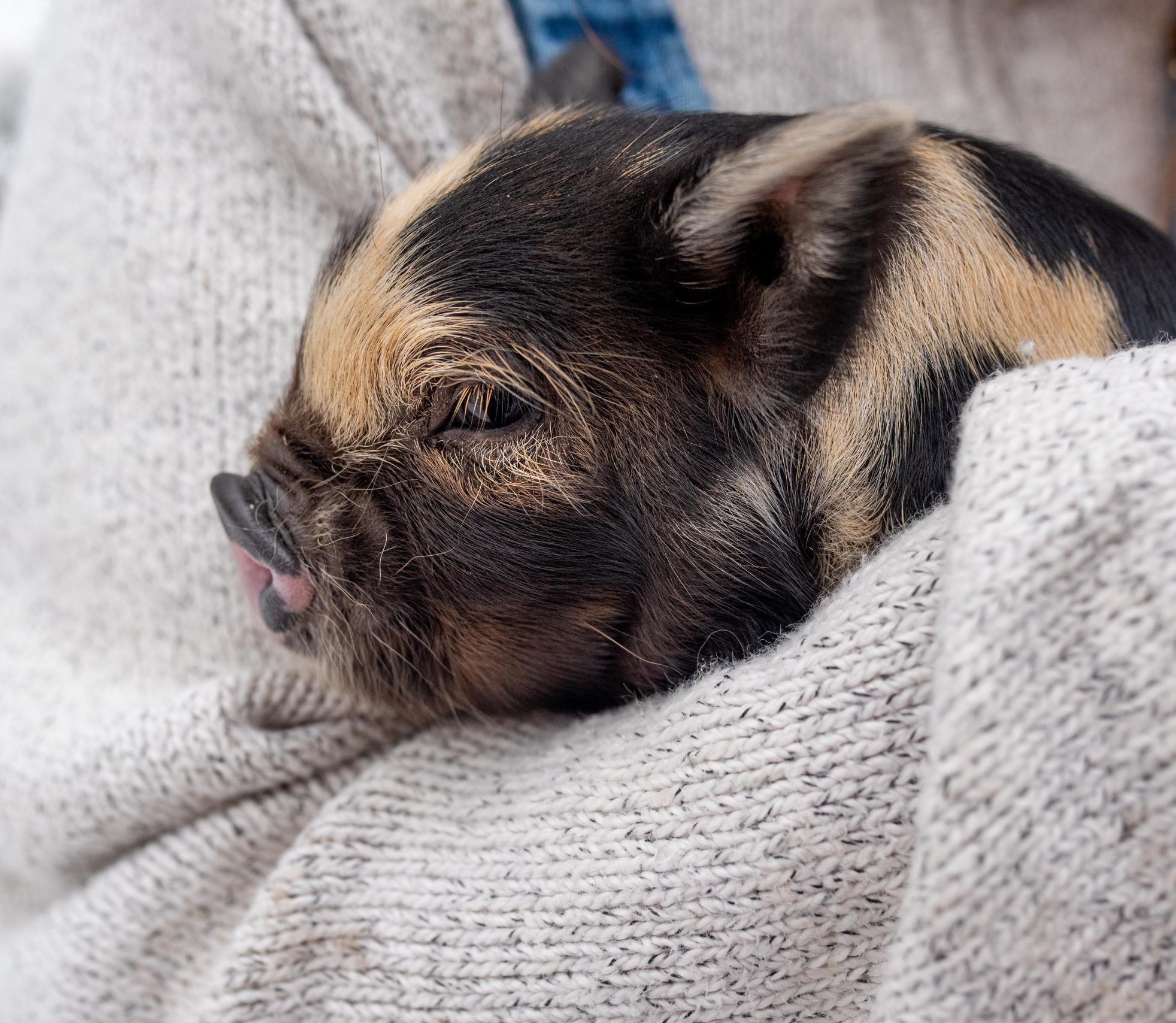
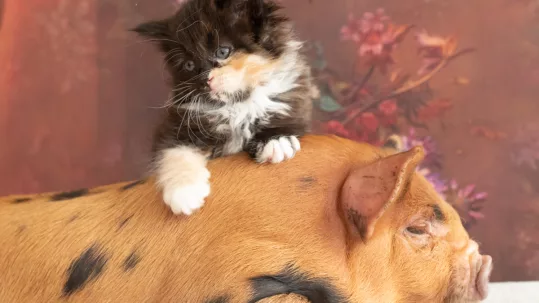
We are passionate about KuneKune pigs as a heritage lard pig and perfect introduction to pig-keeping for families and homesteads. (They also make absolutely amazing, sweet, and affectionate pets, but we’re supposed to be VERY SERIOUS about pigs, so don’t tell anybody that we get this gushy about them!)
We’re so happy to see you here, and we hope you catch the bug just like we have! We would love to get to know you better, and to introduce you to these sweet, useful pigs that add so much to our homestead.
The Ginger Bee Farm Family

gi***********@***il.com
Ginger Bee Farm KuneKunes is located in beautiful seacoast New England, where Massachusetts, New Hampshire, and Maine meet.
Start or improve your own registered herd with AKKPS-registered, DNA-tested pigs.
Raise a friendly feeder pig for your freezer or small-scale pork project.
Reserve a whole or half pig, finished on pasture and measured rations.
Updated: July 2026
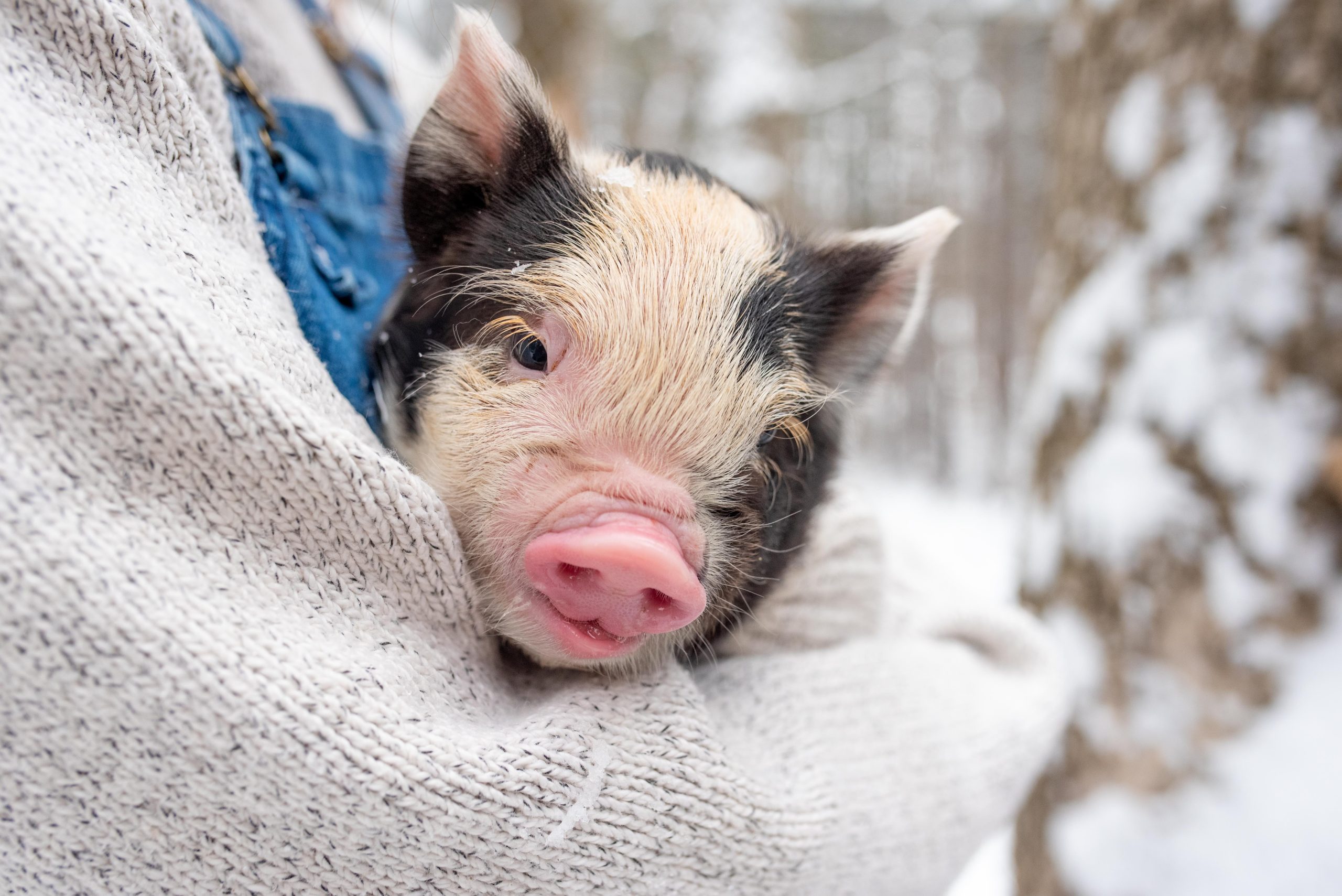
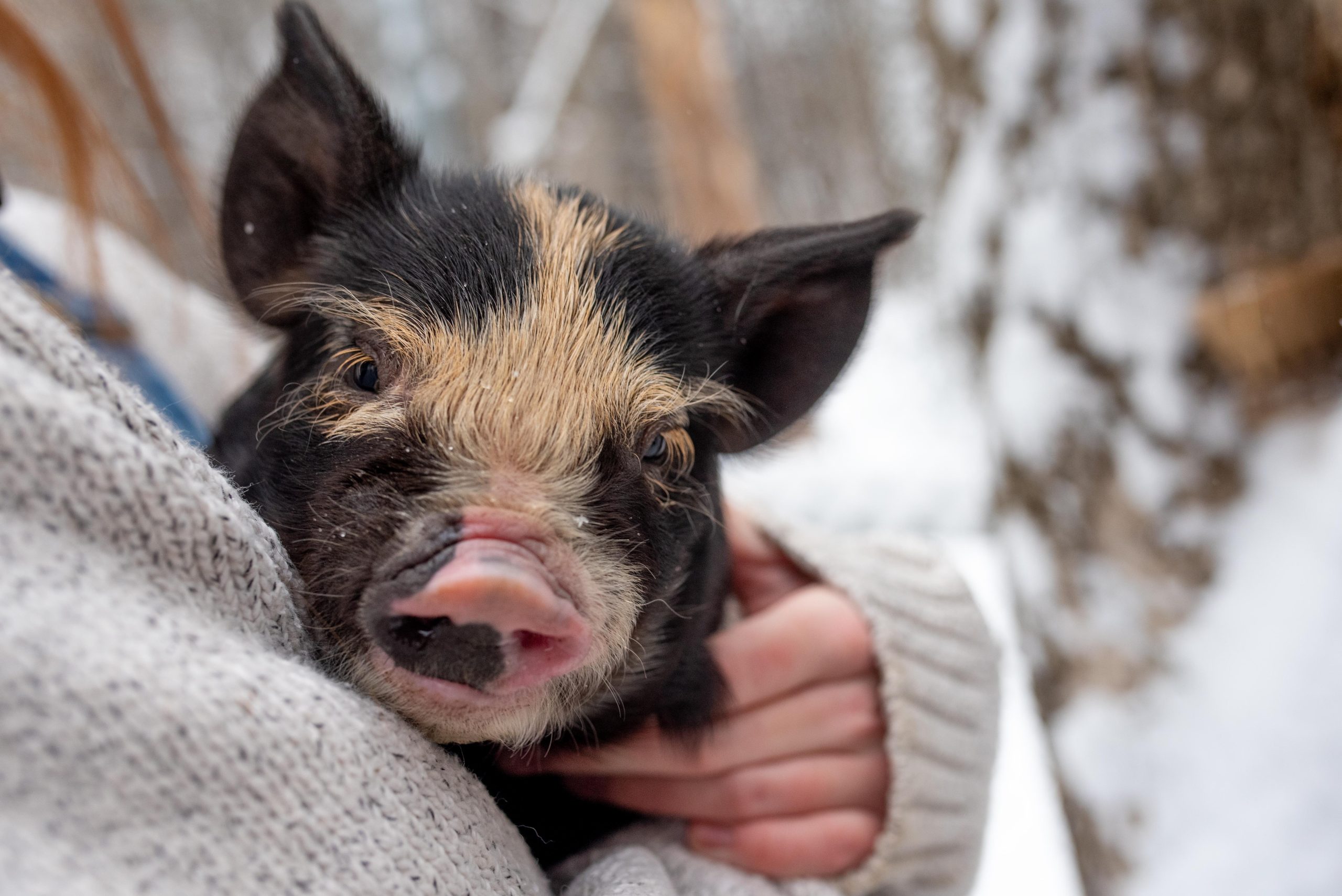
Summer 2026 litters have arrived! Our Kune Kune and Kune-Shan piglets are growing fast. We have a few homestead pig shares still available for late summer/early fall pickup.
Breeding stock reservations for 2027 are now being accepted. Contact us to get on the waiting list.
Heritage Kune Kune pork, raised on measured limit rations and pasture. Whole and half shares available.
Want inexpensive bacon and generic pulled pork? That’s where “bacon pig” breeds come in. Want healthy, velvety lard and incredible flavor? Then you want a KuneKune.

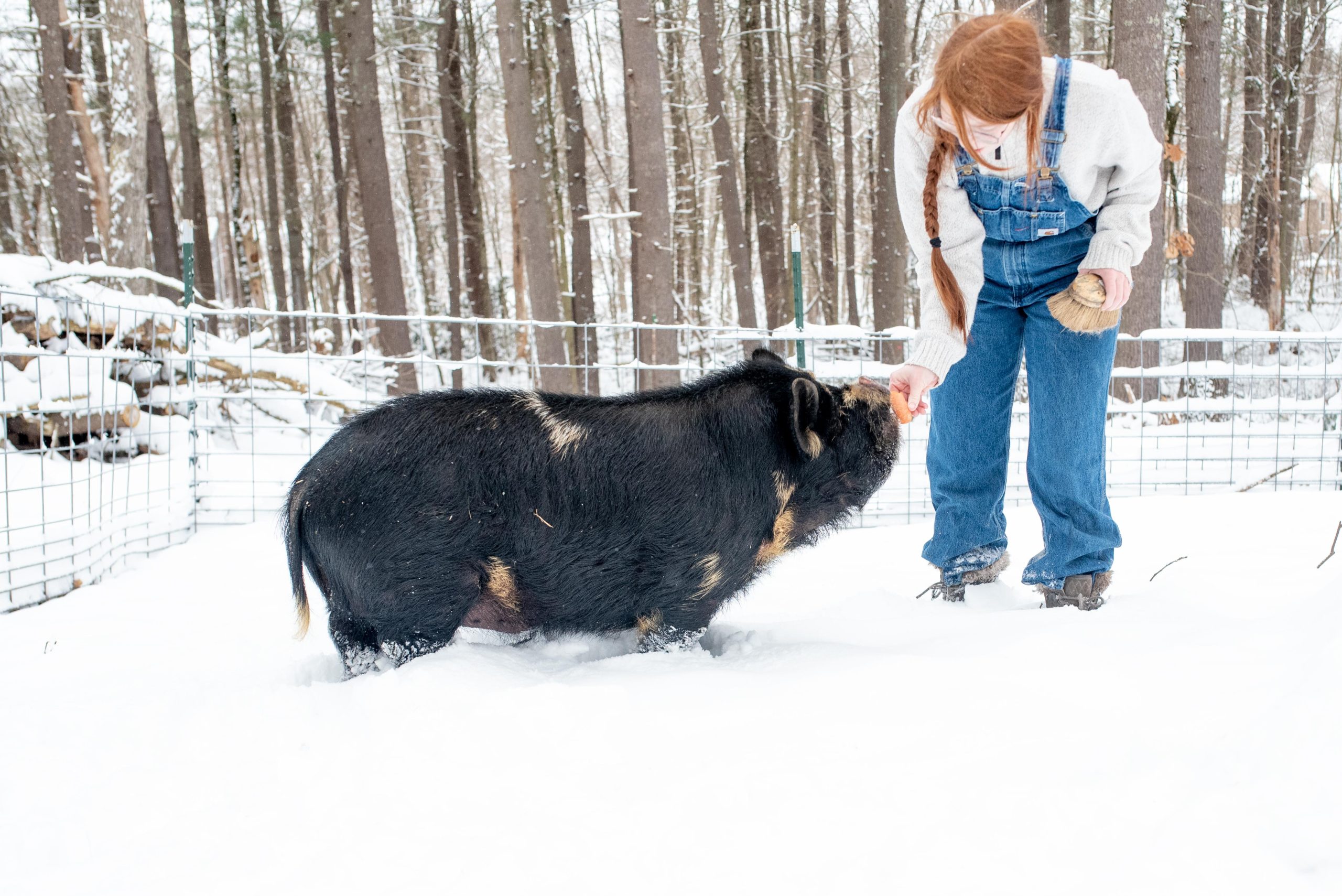
Many family farms avoid pigs because of the challenges of handling them safely. Kune Kunes are docile, affectionate, and sweet animals that can be handled by anyone and love everyone in the family.
Kune Kunes put on hundreds of pounds of incredibly delicious marbled meat on less food than you can believe. And with their ability to turn forage into body weight, they are a perfect fit for sustainable farms.
We love homesteading! As lifelong family farmers and farming advocates, we are passionate about taking the very best scientific research about farming and meat production and transferring those insights into real-world homesteading success.