Since the pandemic, goats as family milkers have become incredibly popular, which is wonderful, but the downside to their rapid popularity is that many people are adding them to their small farms without any foundational dairy knowledge.
The other problem is that there’s a lot of “how to care for goats” information out there, even from trusted sources, that is geared toward market goats, show Boers, or backyard pets. Unfortunately, very few of those sources tell their readers or viewers that this advice doesn’t apply to dairy goats, and in fact could kill dairy goats.
Nowhere is that lack of experience more apparent than in the feeding advice we’ve seen – usually some version of “goats can eat pasture (or weedy grass hay) and they don’t need anything else.” That is not true, at least in New England, and we want to start you off with the correct knowledge you need to have healthy goats not just for a couple of years, but for many vibrant generations on your homestead.

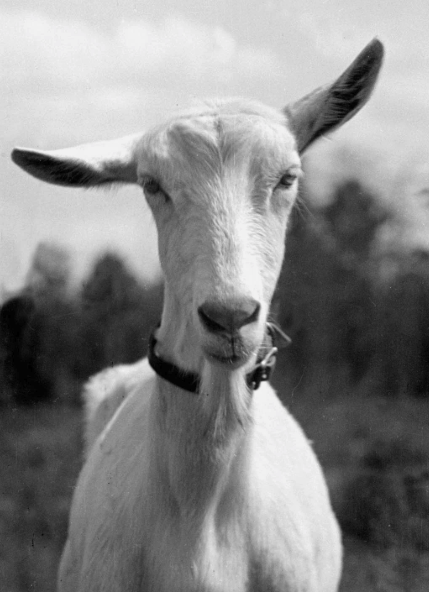

Dairy goats must be fed grain! There is absolutely no way that they can support heavy production without concentrated starch and protein sources. Most farmers rely on a commercial diet that uses some combination of corn and soy, but don't feel trapped into feeding something you don't want to feed. Talk to your Extension nutritionist; flaxmeal, wheat bran, distillers grains, and beet pulp can fulfill those same roles.
The next important category your milking goat needs is digestible vegetable matter. Remember that cows eat grass; goats eat trees. Goats can eat grass hay and survive on it, but they won't produce as well as if they can eat more nutrient-dense and more digestible foods. We want to give them broad-leaf annuals and tender stems. Clover and alfalfa, peanut vine, and lespedeza are perfect; during lactation free-choice legume hay is fed.

Dairy goats need a little extra fat in their diets to help them put more butterfat in the pail. But that fat needs to be a special form that won't make the rumen work harder than it needs to. Plan to feed specific seeds and seed butters that bypass the rumen and are digested in the small intestine. Some commercial formulas contain these already; those that don't can be supplemented.
Yes, dairy goats need a little sugar too. It's hard work for the body to make milk, especially the complex chains that create milkfat molecules. Sugar (usually in the form of a raw cane juice or molasses) jump-starts that process and keeps the goat feeling good too. We recommend supplementing a simple sugar even if you are feeding a textured feed with some molasses; it's not only good for them but helps them eat their whole ration without picking and choosing specific bits.