



ginger bee farm

Renewing the land through care

We farm for the future by looking to the past – the past of our climate, when the Ice Age scoured the topsoil away from this area; the past of human use

The Ginger Bee family                                    

why we do what we do

Our farming philosophy

As lifelong family farmers and farming advocates, we are passionate about taking the very best scientific research about farming and production and transferring those insights into real-world success in our happy and thriving little farm.

We ask from the soil only what it can give us

We grow what wants to grow. Young, unimproved areas supply our herbs and beneficial plants, which thrive in low-fertility soil. The most mature, enriched areas of the farm, where compost has been added for years, grow sweetcorn and strawberries. We interplant with fruit and nut trees throughout. If a crop doesn’t thrive, we pivot to an alternative; we don’t try to make New Hampshire behave like Idaho or Georgia.

we  don’t fight natural cycles

We work with the land, not against it.  Because we have thick cover cropping and mulch, our long winter rests the ground without scouring it. Storm water is caught in swales and berms so it doesn’t erode the soil. We utilize long fallow periods to allow our fragile glacial-till soil to recover after every season.

We treat the land as a unit

We have a small acreage, bounded by historic stone walls, so every single inch matters. Our land slopes gently from front to back, so at the top of our property around the house and the dairy we have the kitchen gardens, small fruit trees, edible landscaping and hedges, and pollinator areas. 


Midway down the slope are the winter pens, where the livestock lives on deep straw bedding from December to March; that bedding then composts in place from spring to fall. 


The rest of the land is divided into rotational foraging areas, which are interplanted with larger fruit trees and nut trees. Conifer, plum, hawthorn, and elderberry hedges create pollinator and wildlife highways across and around the foraging areas. 


Every year, compost and new soil from the lower areas are brought up to the top of the land to enrich the kitchen gardens. Any rich runoff from those gardens sinks into the swales and berms that we’ve created on the downslopes, keeping our nutrients contained and cycling, rather than affecting the groundwater or wetlands.

Keeping things growing

white pine

mature old-field woodland

Where pastures once grew, white pines have pushed all the energy in the soil to their crowns, and have monopolized all the sunlight as well. The forest floor soil is extremely poor, prone to erosion, and unable to sustain any small growth or flowering plants. This kind of woodland attracts very few insects or animals. This woodland is quiet and still.

white pine

Managed and renewed woodland

We selectively thin the pines, leaving enough cover to offer mixed shade but allowing sunlight to reach the ground. The fallen trees decay into the ground, releasing their energy back to the soil. Small herbs, shrubs, and baby trees quickly colonize the opened areas, bringing in a flood of insects, birds, and herbivores.

Intensive rotational grazing to renew the land

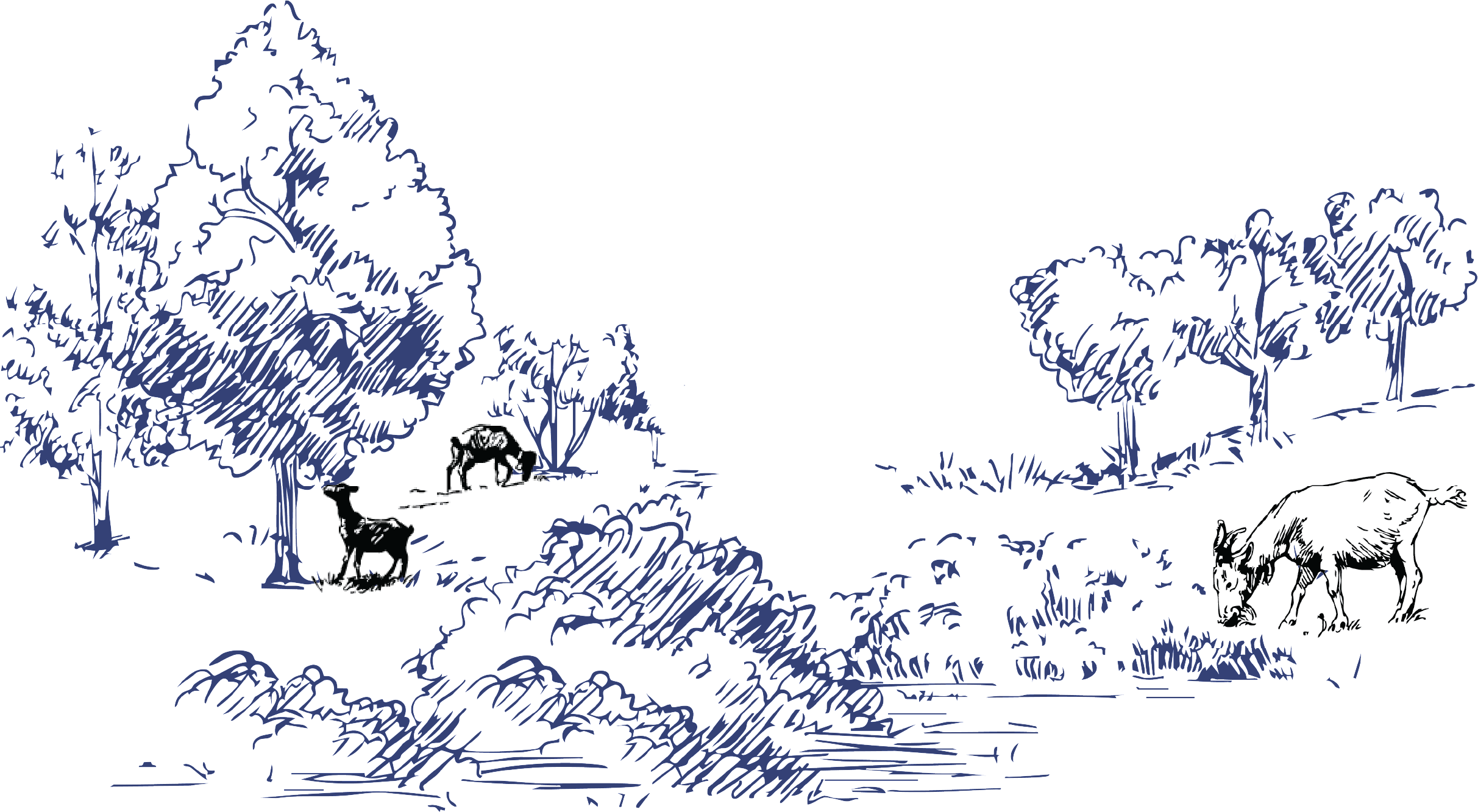
Goats begin the job

Clearing and thinning

After a forage area has had a minimum of nine months of recovery and regrowth, the goats are given a month to remove biomass and begin the job of adding fertilizer to the soil.
The pigs arrive next

Shallow tilthing and surfacing

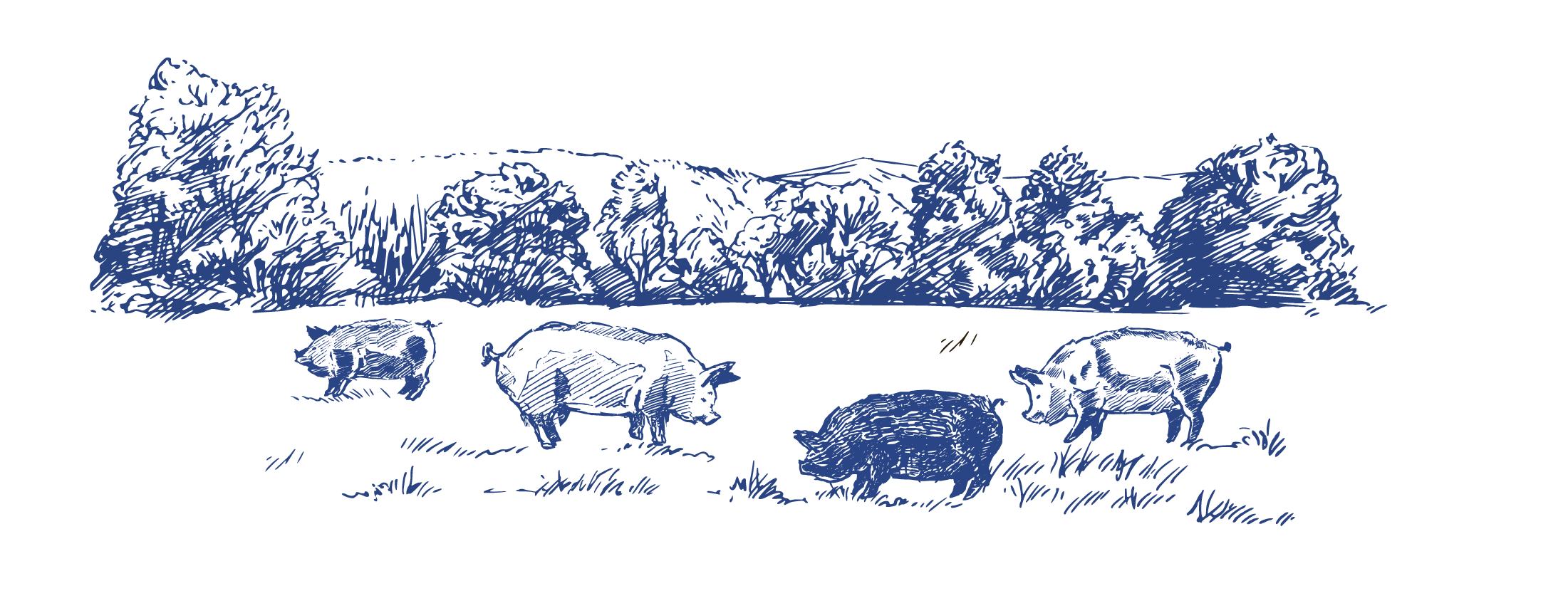
The Kunekunes take care of growth from knee-height down, neatly removing shallow roots and incorporating the enriched surface soil into the germination levels.
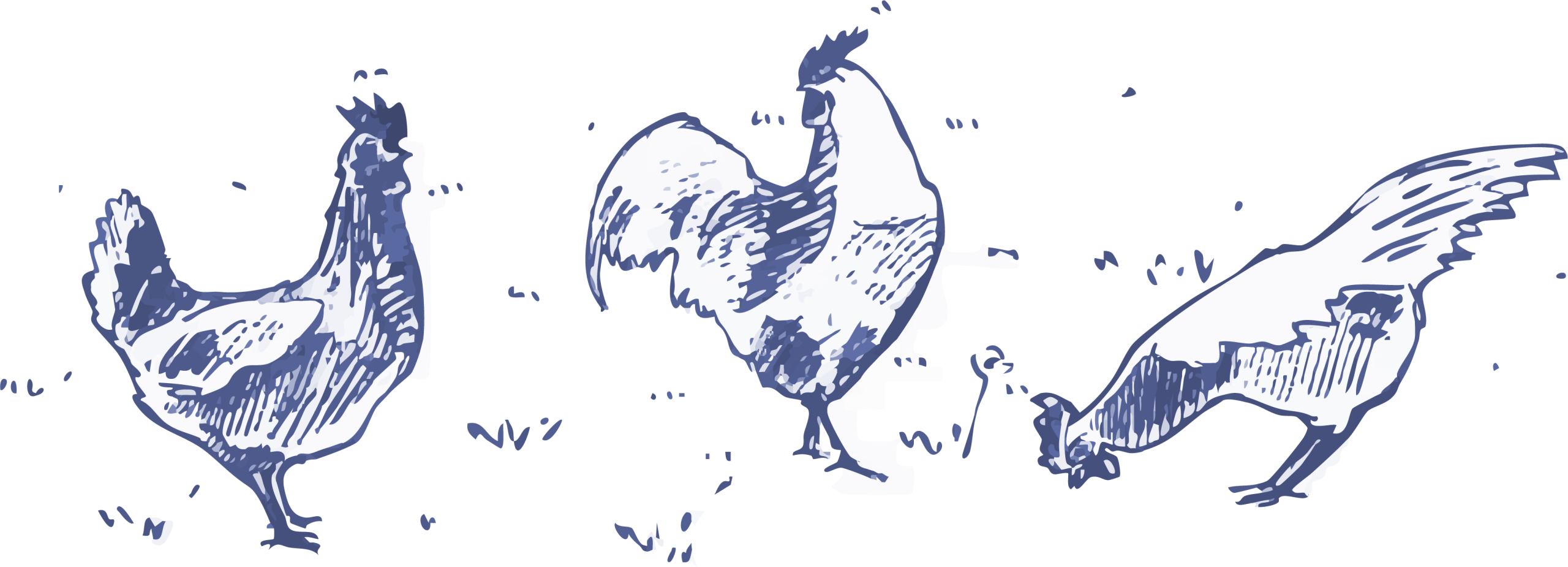
Chickens prepare for replanting

Removing weed seeds and smoothing

By the time the chickens finish out their month, the forage area looks like we ran a disc harrow over it - they leave a fine, deep, rich tilth that is ready to replant.
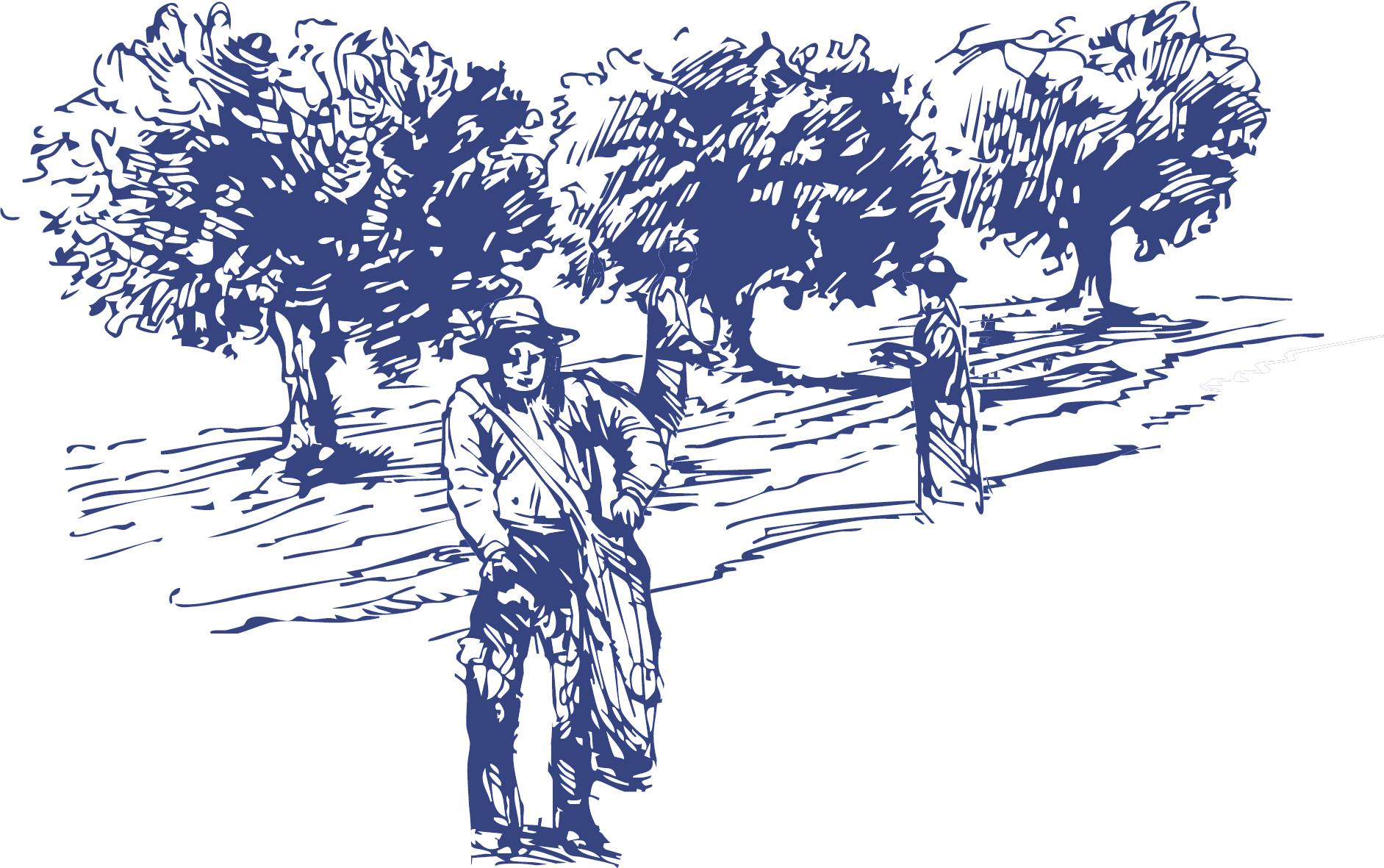
The next crop is sown

keeping nitrogen in living things, not the groundwater

A tailored seed mix is planted and left to mature, reaching its nutritional peak when the cycle begins again the next year.

Mixed integration-focused Agroforestry

It’s got a fancy and formal name, but we want to be ultra clear that what we do is not innovative or new. Indigenous peoples in New England came up with these strategies and used them successfully for thousands of years. The adoption of these methods by modern small farms is very much a day late and a dollar short, but we’re slowly realizing that we need to pay attention to what the world around us is telling us it wants and needs.


The land is happiest when it is doing a variety of jobs and can respond to natural cycles. For example, if we focus solely on growing apple trees, we need to kill off all the grass around the trees, repeat that killing cycle several times a year, and we need to steadily supply hundreds of gallons of water to each tree. If, on the other hand, we focus on growing apple trees in a raspberry patch that is grazed by goats twice a year, the raspberries will prevent grass from growing and will shade the ground around the tree so it needs less watering. The goats arrive in spring and fall, remove all the raspberry canes to the ground, and leave fertilizer around the tree. The next spring, the goats prune the raspberries again, add another good shot of nitrogen, and then move on to the next area. The raspberries revive within weeks, grow like crazy because they were just fertilized, and are shading the ground by the time the warm weather wakes the grass up. 


There is definitely a tradeoff to this approach – we have to plant apple trees twenty feet apart, not two feet apart the way they could be in a commercial orchard. We need to protect each tree, check them constantly, and do all the work by hand. We can’t count on heavy harvests and we can’t predict what each year will bring. It’s worth it to us because we’re giving the soil the best chance to give us something every year – wet years mean elderberries, dry years are corn, warm springs bring peaches and cold springs bring strawberries. 

every orchard is a pasture

We have hundreds of rare-variety apple, pear, words words.

tk

tk

tk

tk

Every pasture is an orchard


Our forage areas are richly planted with many native and beneficial species, 

words

words

words

It's not a luxury

Water handling

We keep nutrients in the loop

It’s incredibly important to us to keep the nutrients we’re adding to the water and the soil right here, not contributing to runoff or affecting the watershed. We treat nutrients as a valuable resource that should be completely consumed with each growth cycle.

we know where our water is

It’s easy to look at a gorgeous blue hydrangea and picture it in front of the house, but we’d need to water it almost every day in the summer to keep it alive. Further down the grade, it would need to be watered only six times a year. We apply this principle to all our plantings. Willows soak up water; hyssops barely sip at it. We know where our water table is throughout the property, and plant for natural thriving.

We sink, spread, and save

We farm on a gentle slope, so we focus on catching excess water and keeping it where it can be used, especially during heavy rainfall. We use berms, swales, and hardscaping to delay water until it can sink into the soil to be used.

We track and measure

We use regular soil testing and careful observation to make sure our water handling is working the way it should. For example, if the vernal pool at the bottom of our land has stopped attracting spotted newts and started growing algae, that’s a danger sign that we’re not controlling the nitrogen the animals are producing further upslope. We may need to plant more grass species, add more carbon to the soil, or create a swale between the lowest livestock area and the vernal pool.

respecting rest

Three seasons and a nap

While it’s very tempting to try to squeeze four seasons of production out of our tiny acreage, as the years have gone on we’ve become more and more convinced that a good winter’s nap is essential not just for people, but for the land. We tuck the farm under a deep blanket of mulch and straw, move the animals into soft warm beds for the winter, and let the land sleep for at least three months. 

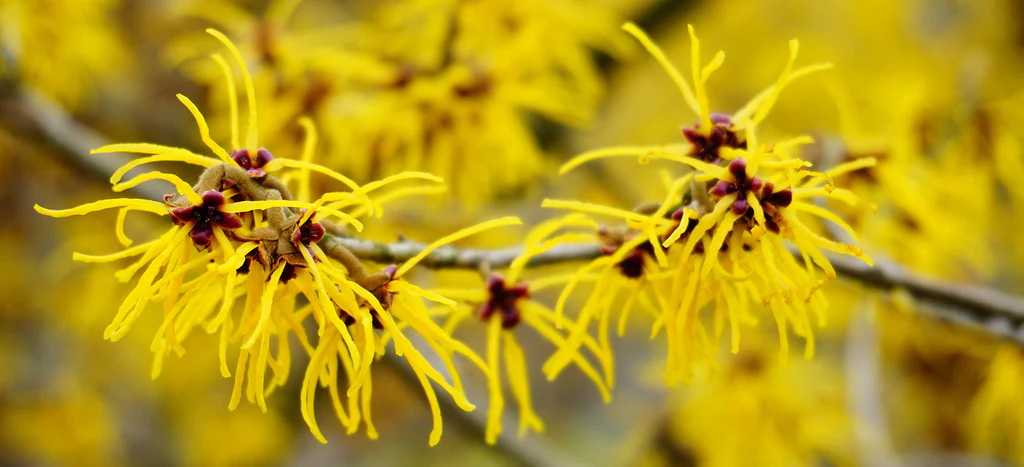
Witch hazel in bloom at Ginger Bee Farm in early spring

Spring

In April, as soon as the snow danger is past, the animals move from their winter barns to the first forage area. While they eat their spring tonic, we move aged compost onto the fruit trees, assess and test the soil, set up any needed irrigation, and decide on our cropping for the year.

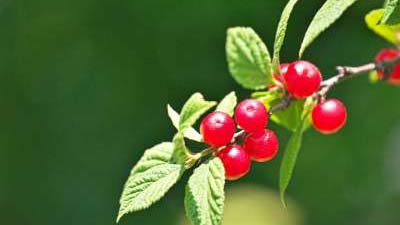
Nanking cherry shrubs growing at Ginger Bee Farm in Plaistow, NH

Summer

Every month, the animals rotate to another forage area. May 15 marks the first safe week to plant, so started seedlings go out and we begin the first succession plantings of corn, beans, and other fast growers. Harvest begins in June with strawberries and blackberries, and kicks into high gear through July and August.

Winter squash harvest from the gardens at Ginger Bee Farm

Autumn

As the season winds down and we take in the final harvests, the animals celebrate abundance with us. They are rotated to the garden beds, allowing them to glean all the leftovers of the garden year. The 18-month-old pigs and goats finish fattening on fruit and nuts. The milk goats are dried off late in December, and the farm is tucked in by Christmas.