

ginger bee farm

goat management the right way

Goats are not cows, and they’re very definitely not sheep. Their closest relatives are deer, which means they have some critical differences between the digestive system of a dairy goat and the grazing animals. Goats are less able to extract nutrition from grasses and other ground crops than cows are, and they need higher quality ingredients. Goats are also super, super smart, with very definite preferences, so you can’t fool them into eating lower-palatability food or poor pasture. If you picture feeding them like an athlete who is really into macrobiotics, you’ll have it just about right.

High-producing dairy goats are running a marathon every day – your job is to be their coach, their dietician, and their therapist

These athlete goats produce almost ten percent of their body weight in milk every single day, and they continue (with yearly vacations) for up to ten years  in a row. That’s a huge job for any body, and our responsibility as farmers is to make it possible and healthy for them to put forth that effort.


If you choose to bring home one of our family milkers, we’ll coach you in supporting your dairy goats in three major areas:

FOOD, WORMING/VET CARE, AND HOUSING
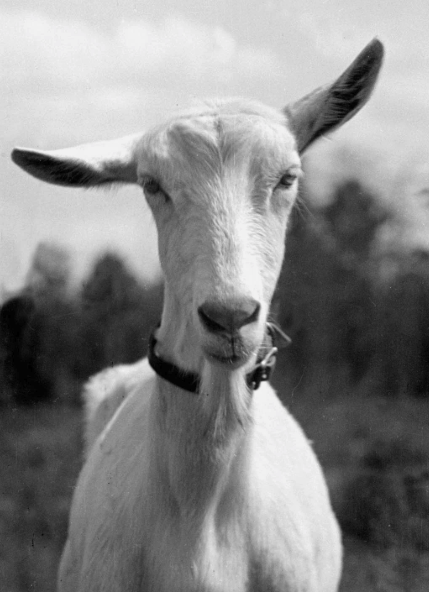
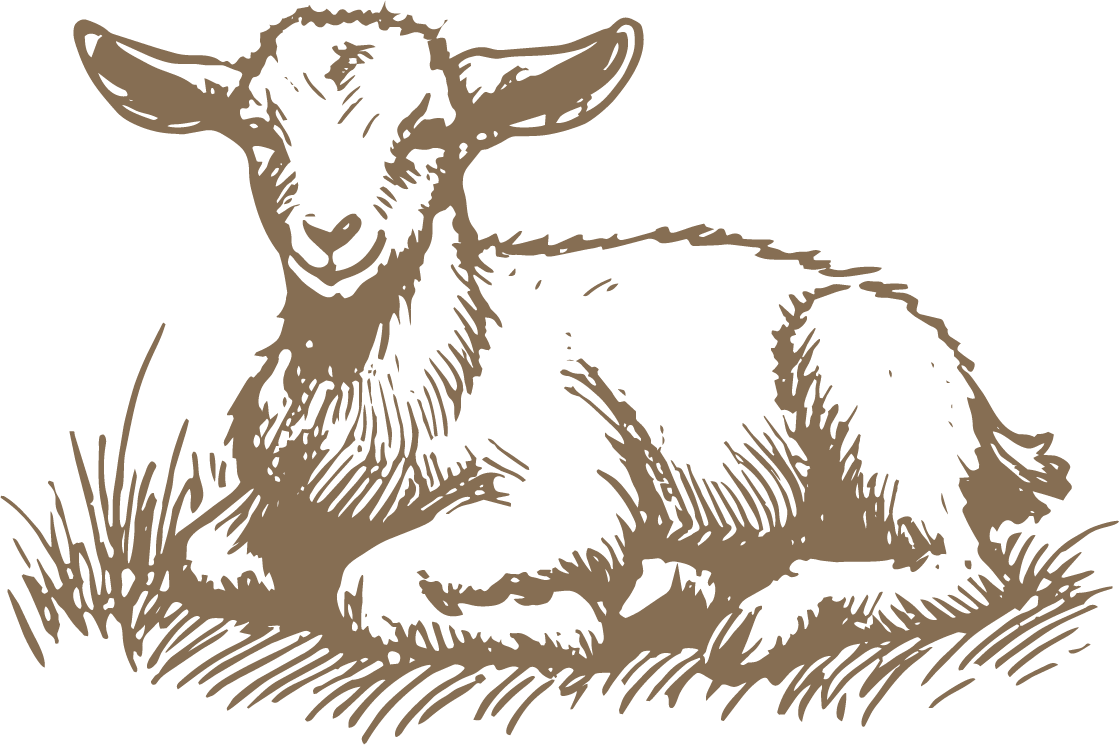
ADGA-registered dairy goat portrait at Ginger Bee Farm in Plaistow, NH

The three pillars of Feeding dairy goats

Forage

Forage is a catch-all term for food that grows up out of the ground and is fed just the way it grew (sometimes dried, but not much else is done). Grass hay, clover, alfalfa, straw, leaves, browse, and so on are all examples of forage. The biggest myth in goat management is that you can just stop there - that good (or even not-so-good) forage is enough for a dairy goat. That’s very definitely not true; they also need…

Grain concentrate

Dairy goats may survive without grain, but they will not grow well or produce the milk you bought them for. It’s essential to feed a good, tested concentrate - and lots of it. During peak lactation, a milking doe may need to eat as much grain as they eat hay: not just a scoop in the milking stand, but multiple big meals throughout the day.

additives

Don’t be afraid of the word “additives” - it just means all the other stuff that dairy goats need to thrive. At an absolute minimum, they need what’s called a loose mineral mix, because crops grown in the US are too low in copper and selenium for goats to thrive long-term. After that, we tailor the diet to meet the different needs of goats in early, mid, and late lactation with various targeted amino acids, fats, probiotics, and bioactives.

What about worming?


There’s a lot of information about worming goats out there, some of it good and a lot of it really bad. For reliable info, rely on wormx.info and remember these facts:


There's no such thing as true parasite resistance in dairy goats

Some progress has been made in selecting for parasite resistance in meat goat breeds, but even that work is relative. The US is not considered to have any truly resistant goat breeds, and dairy breeds are about as far from parasite-tolerant as you can imagine. You ARE going to have to worm, if you want your goats to live.

You don't know what you've got without a test

It’s OK to assume that you have some of the more common worms the first time you medicate, but to develop an effective program that will keep your goats healthy for years, you need to identify the worms. 

You're going to need to go off-label

Goats are a very low-dollar animal in the US, especially compared to the core livestock like cattle and swine. Even though everybody knows that the meds that are currently approved don’t work very well, it doesn’t make any financial sense for pharma companies to put time and money into getting official approval for medications they won’t make any money on. Expect to have to give yourself an education on effective wormers, and find a vet who will listen when you ask for specific medications.

Parasites are not just a nuisance

You can be feeding gold-plated chow on top of premium steamed alfalfa, in a barn designed by Gehry with a milk parlor run by AI, and if your goats have barber-pole worms or lice, they won’t milk worth a toot. Getting your parasite load as low as possible is absolutely essential to your goats being able to work as the farm partners they should be.

Housing and pasture

Goats are not difficult to house, but they require a lot of the same thought you’d put into housing your own family. We keep these four requirements in mind:

Routine vaccination

We are not low- or no-vaccine dairy goat breeders; we believe in evidence-based care, and that means preventing the diseases we can prevent via vaccine.


All kids are given one or more CD&T vaccines, and boosters are regularly given. 


What’s Clostridium? It’s a normal bacteria that is everywhere in the environment, and usually causes no problems. However, baby kids are going through huge digestive changes in their first few weeks, and Clostridium can run out of control and release toxins in the intestine. Kids with Clostridium enterotoxemia can die in a matter of minutes, often with very few symptoms. We vaccinate every goat in the herd in order to keep antibody levels high and protect our precious kids as they grow.


Kid feeding and care

Our babies are removed at birth and hand-reared on pasteurized milk. 

We do this for several reasons: 


First, it’s safer for them. Goats have a couple of really nasty viruses that are spread through milk, and even though we routinely test for these viruses (and routinely are negative) the risk of transmission is too high for us to feel comfortable letting our does dam-raise. 


Second, it’s better for them and their moms in terms of growth. Baby dairy goats need up to a gallon of milk per day to grow optimally, and does produce about a gallon of milk per day. That math seems to work – until you realize that goats routinely come in twos and threes. It’s incredibly difficult for a doe to feed two or three huge babies well, and they’ll get drawn down and skinny very fast. Their babies won’t grow as well as they should, and that difficulty will follow them for the rest of their lives. A baby dairy goat who doesn’t get a good start will literally never reach the size she would otherwise, will never produce to her genetic maximum, and will have a harder time carrying babies throughout her life. 


Third, it’s better for our family and those that share our food. Baby goats are curious little monsters and begin putting things in their mouths as soon as they realize they have a mouth. If they nurse, everything that they put in their mouths is transferred to their mom’s udder. Milk from dams who nurse their babies is much higher in pathogens, including E coli, Salmonella, Campylobacter, and Listeria,  than milk from moms who do not dam-raise.

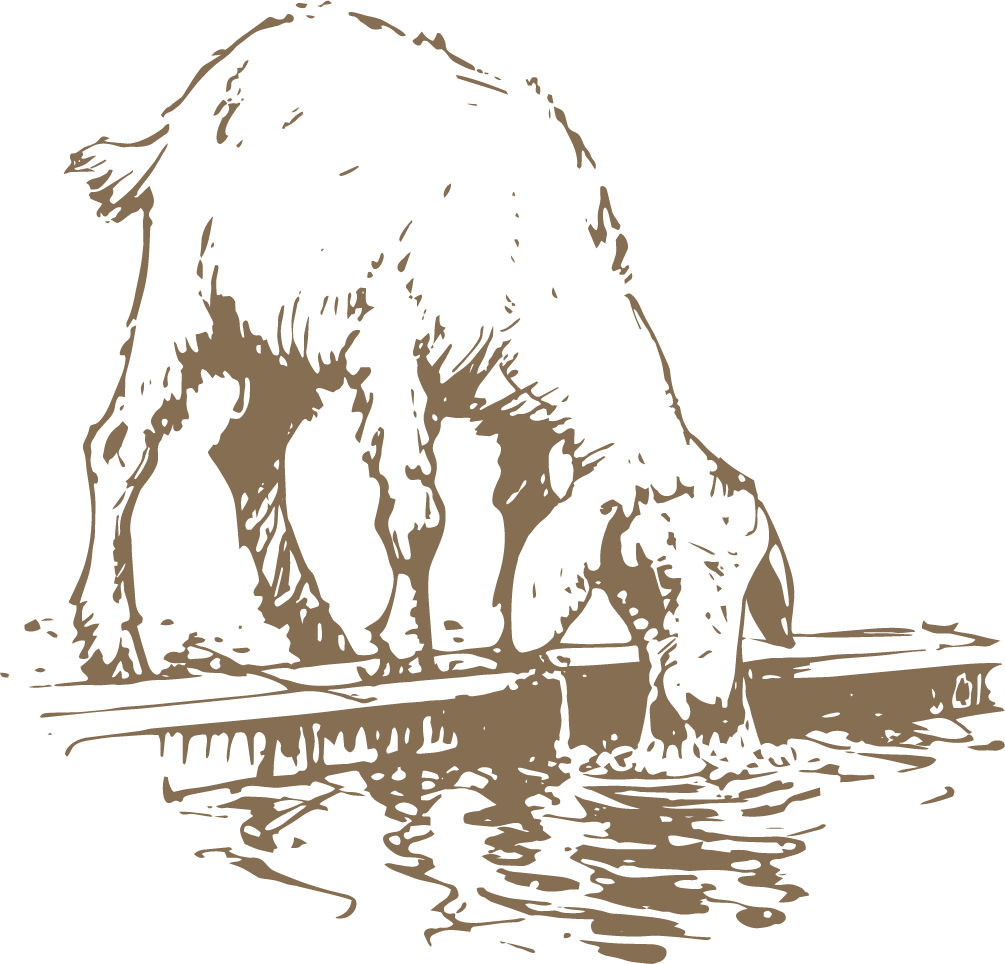
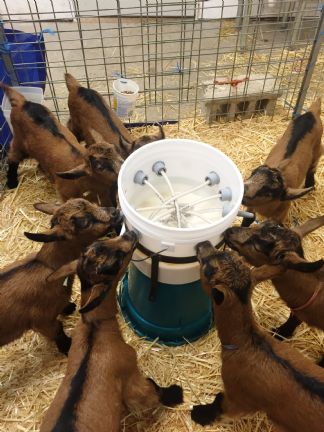
Bucket feeder used for measured dairy goat rations at Ginger Bee Farm

After birth, kids are fed as much as they can safely consume. That includes a minimum of 24 hours of colostrum feeding, and we try to make sure they get two or three feedings of transition milk (milk from moms 2-3 days after kidding) as well. Once they are on regular milk, they are never allowed to get hungry. They are either fed free-choice or (for the greediest set) frequently throughout the day. 

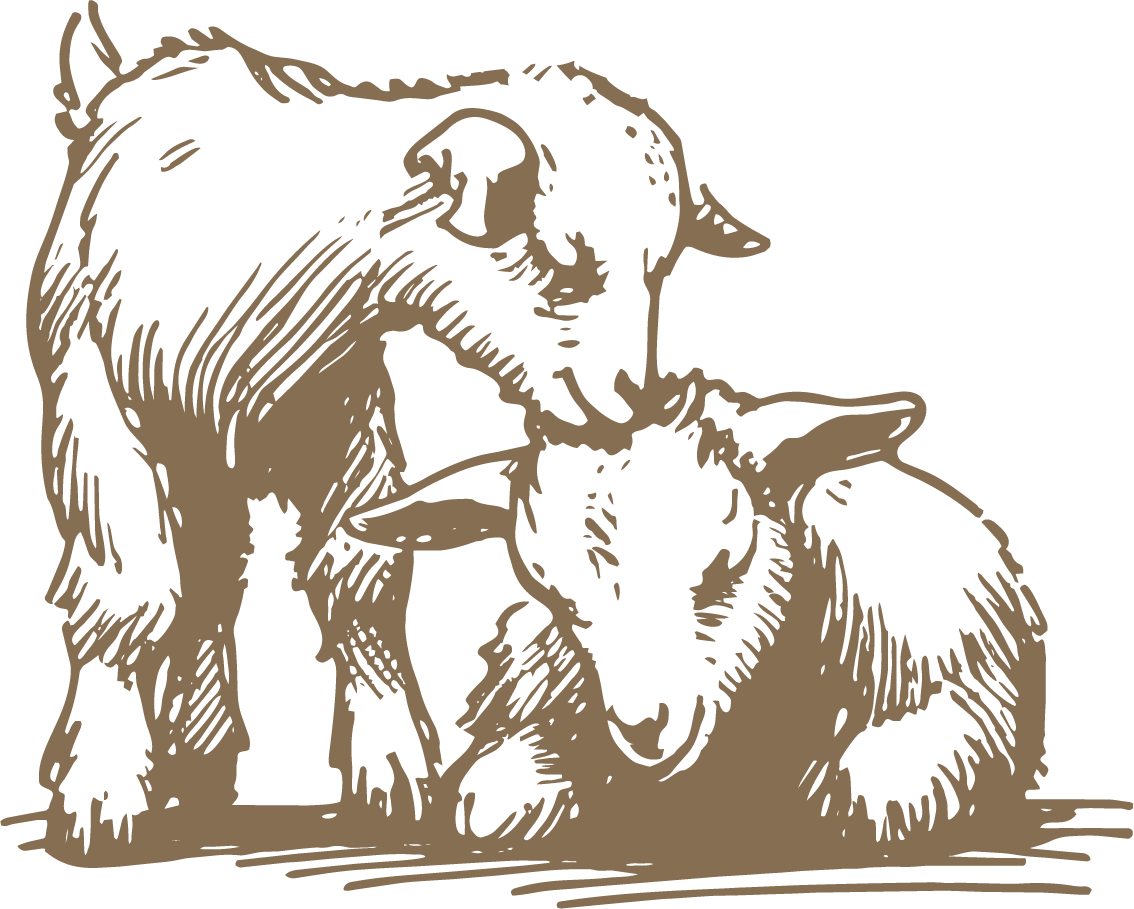
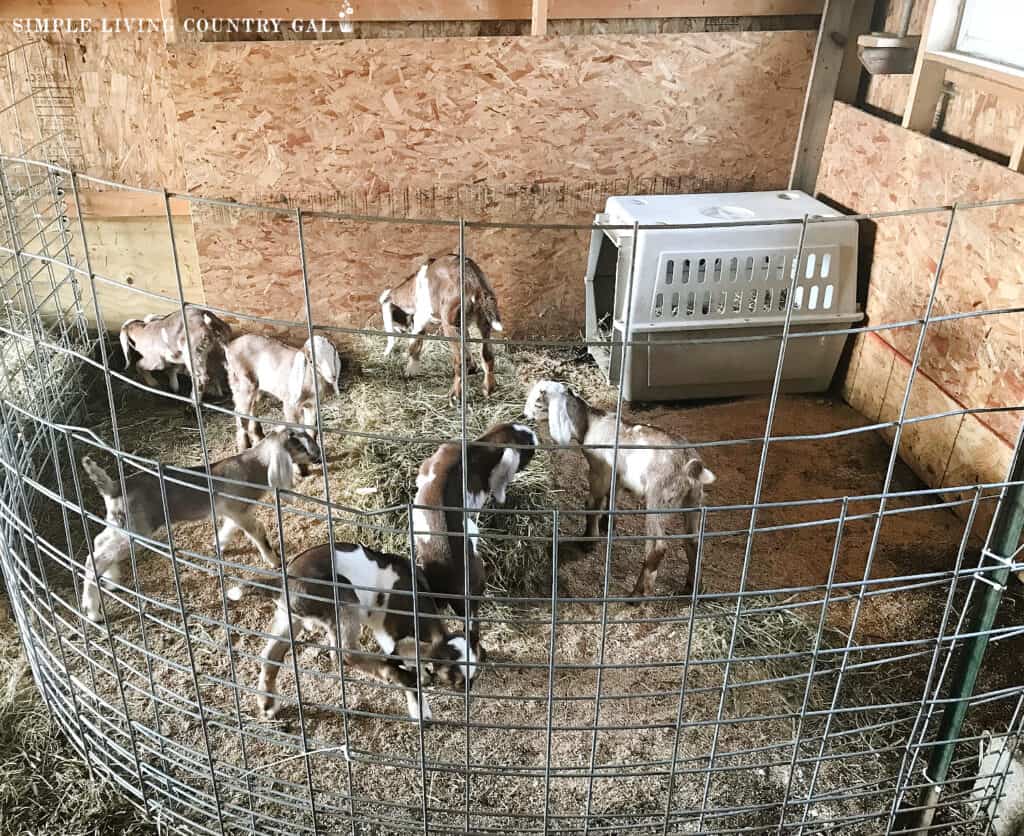
Young dairy goat kids in a safe indoor play area

The babies are raised in group housing with tons of space to run and play. They can always see and hear and smell their moms and the other adults, and the moms can see and hear and smell them too. 

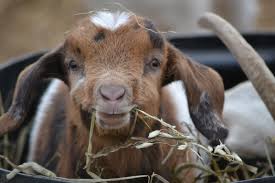
Dairy goat kid eating hay from a barn feeder

Baby goats have a huge job to do between birth and eight to twelve weeks: They start off as monogastric animals – with one functional stomach, just like you and I have – and end up as ruminants, with five functional stomachs. What signals their bodies to begin maturing their other stomachs are the hay and other food that the baby begins to nibble at when it is only a few days old. We offer easy-to-digest starter and hay as soon as the kid wants it, and we gradually taper milk feedings over more than a month, from full milk feeds at eight weeks to grown-up rations at twelve to fourteen weeks. Weaning is gentle and doesn’t happen faster than the kid’s body can handle it. 

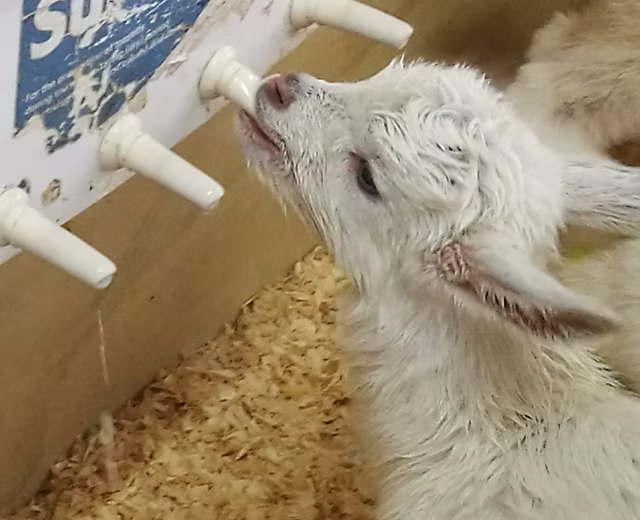
Dairy goat kid drinking from a bottle feeder in a barn

We don’t “stack stressors” – like vaccination and weaning, or disbudding and travel. We make sure they can react to one challenge at a time.